









Vienna Is a Great Place to Live: Scoring Top Marks from Residents
30.9.2026
Vienna has long been ranked among the cities with the highest quality of life - and that is no coincidence. How does the Austrian capital achieve this? It offers sustainable and affordable public transport, drinking water from the Alps, abundant green spaces, and a vibrant cultural scene. Its impressive historic setting blends seamlessly with modern urban life.
Vienna’s Achievements
- 2022–2024: 1st place, quality of life (EIU)
- 2024: 2nd place, quality of life (Mercer)
- 2025: 2nd place, quality of life (EIU)
- 2025: 1st place, housing (Monocle)
Why People Enjoy Living in Vienna
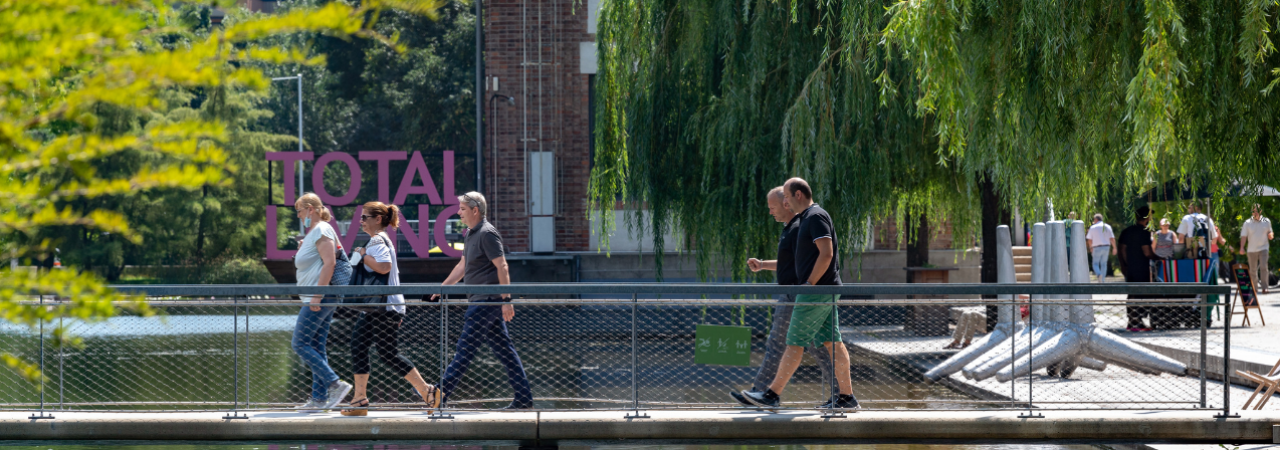
Vienna is not considered a great place to live only because of rankings. Viennese residents are genuinely satisfied with their city. According to a 2023 survey, 90% of them enjoy living there. The city aims to ensure that everyone feels comfortable and included – both women and men, children, seniors, immigrants, and people with disabilities. In short, everyone, regardless of their background or life situation.
Everyday life in Vienna is built on high-quality infrastructure. Public transport is reliable, environmentally friendly, and affordable. Trams, buses and the metro conveniently connect even the more distant parts of the city.
Water also plays an important role in Vienna. The best comes straight from the tap. The city is supplied with Alpine spring water through two high-mountain pipelines. Everyone can taste it at one of the 1,800 public drinking fountains across the city. It is no coincidence that Vienna was the first city in the world to enshrine the protection of its water resources in its constitution.
Vienna is a green city. Green spaces cover around 50% of its area, meaning nature is always close at hand. From the parks along the Ringstraße and the Prater to the Lobau floodplain forests and the Vienna Woods Biosphere Reserve, there are countless places to enjoy the outdoors. Running on Danube Island, swimming in the Old Danube, hiking, and cycling are part of everyday life.
Vienna also stands out for its food. Its world-famous cuisine can be enjoyed in fine dining restaurants, traditional taverns, and wine bars. The city’s culinary identity is further shaped by Melange coffee, Sachertorte, and its historic café culture, recognised by UNESCO. It is not widely known that Vienna is also Austria’s agricultural hub – and even the country’s “cucumber capital”.
The Austrian capital is also home to numerous international organisations and ranks among the leading university centres in the German-speaking world. It attracts a growing number of companies and start-ups while offering a rich cultural life, from museums and galleries to concerts and festivals. The city is committed to making culture accessible to everyone and regularly hosts a wide range of free events.