












Vienna Offers Great Housing: An Inspiration for Cities Worldwide
30.9.2026
Vienna is considered one of the global leaders in affordable housing. Up to half of its residents live in municipal or subsidized flats. The city continuously invests in both new construction and the renovation of existing buildings, stabilizes rents, and supports socially diverse neighbourhoods. Sustainability also plays a key role, helping maintain a high quality of living for future generations.
Vienna’s Housing Structure
- 43% municipal and cooperative housing
- 33% private rental housing
- 19% owner-occupied housing
- 5% other forms of housing
What Makes Housing Quality in Vienna So High?
The foundation of Vienna’s housing policy is a stable system that combines affordability, social balance, and sustainability. Vienna has approximately one million housing units, and around 76% of residents live in rental housing. Roughly 43% of the housing stock consists of social and affordable units, making the city accessible to a broad range of income groups.
Municipal and partner housing organisations play an important role, including Wiener Wohnen, which manages more than 220,000 municipal flats. These organisations are responsible not only for construction, management, and renovation, but also for legal and social counselling, mediation in neighbourhood disputes, and support for community life.
The Vienna housing model is built on three pillars: municipal housing (approximately 220,000 flats with no deposit or contractual fees), subsidized housing provided by non-profit cooperatives (more than 200,000 flats and up to 5,000 new units annually), and systematic renewal of existing housing stock, which prevents social exclusion and improves the quality of life in densely populated areas of the city.
Altogether, Vienna provides around 420,000 municipal and subsidized flats. As a result, housing remains affordable not only for low-income households, but also for the middle class. Tenants benefit from open-ended rental contracts, stable rents, and free advisory services.
By 2035, the population of the Austrian capital is expected to exceed 2.2 million. How can it remain a liveable city? The answer lies in the city’s 2025 development plan, which aims to maintain two thirds of all housing units within the affordable or subsidized sector. New development is limited to designated growth areas, with a strong emphasis on high-quality urban planning, efficient infrastructure, and green spaces, which are intended to continue covering more than half of the city.
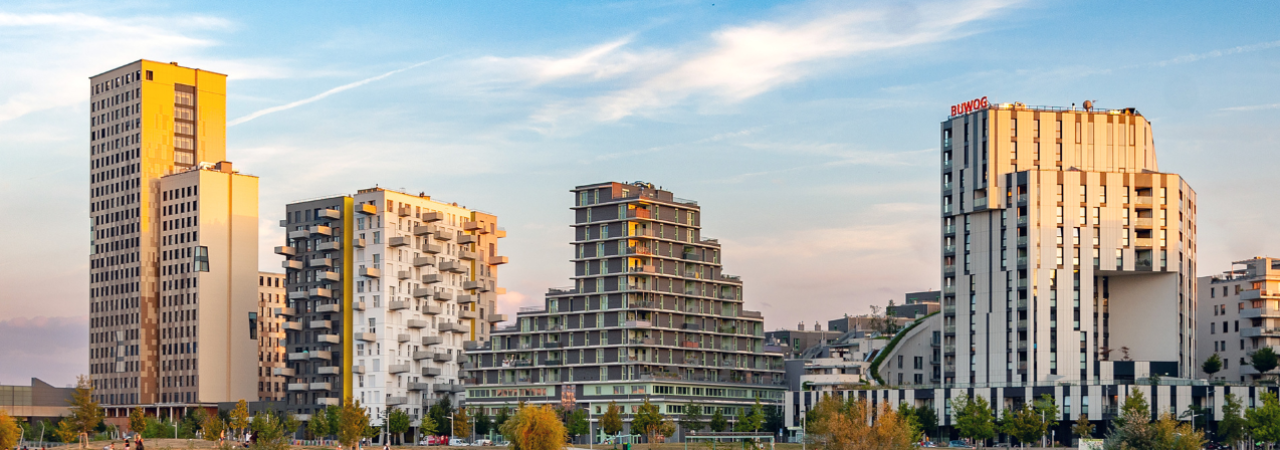
One of Vienna’s flagship projects is Seestadt Aspern, a new neighbourhood gradually emerging on the site of a former airport in the Donaustadt district. It will provide housing for 25,000 residents as well as more than 20,000 job opportunities. Already today, it functions as an “urban laboratory”, where innovations for the city’s future development are being tested. The neighbourhood prioritises high-quality public transport, pedestrian and cycling infrastructure, a wide range of leisure opportunities, and abundant green spaces.